Seating Chart Activity:After you find you seat figure out three things you have in common with your table-mates. You will be sharing this with the class.
Circle: Ocean or the lake?
Revisit: Definition of Psychology- The study of behavior AND mental processess.
Circle: What's an annoying habit that someone you live with has?
Activity: Write down one thing you learned about yourself as a result of taking the Myers-Briggs Profile and one thing you learned about other people in this class?
Activity: Your brain in a prediction machine and since it is a machine I and others can know things about you that you don't even know. Weird, I know.
Evolutionary Psychology: Please answer the following questions on the handout. How could I know?
Learning Target: I can help build a community in the classroom and understand its importance in relation to learning.
Circle: Name and what is ONE pet peeve of yours?
Psychology Definition: The scientific study of behavior and mental processes.
Your brain is a prediction machine...
Lets look at mental processess? Using your Myers-Briggs profile look at that profile that is the opposite of yours and be ready to discuss how different that world would be for you. What seems like it would blow your mind? Find someone who is opposite from you or as close to opposite as you can find. Go thru questionaire together and answer the questions. Compare answers to see how diferrently you interact with the world and the people around you.
Understand... At your table-Fundamental Attribution Error
Perspective Activity: At your table come up with a working definition of perspective.
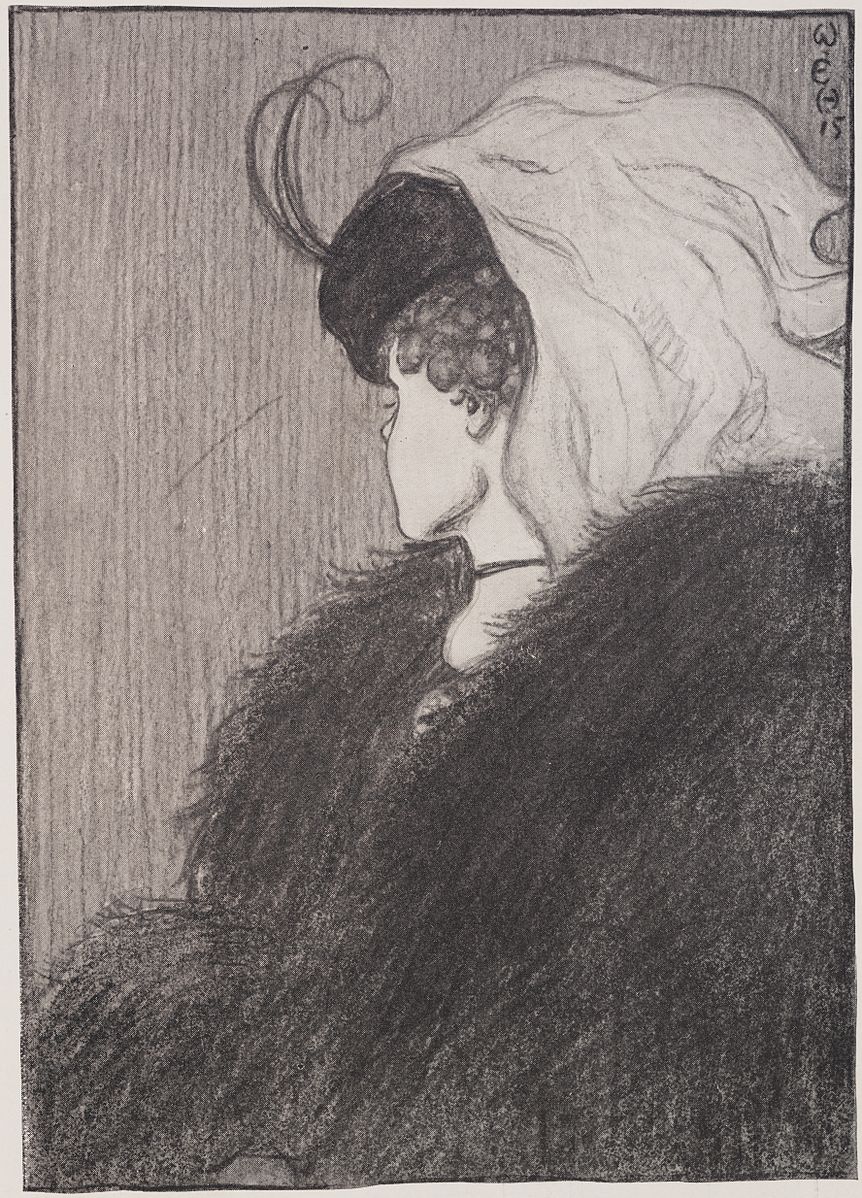
Old People- How much different do you think you'll be when you are 70 years old? When you talk to old people, do you feel like they are happy or sad? What is one of your biggest concerns about growing old and gray? What do you think you'll look like when you are old. Imagine what you think you'll look like.
Activity: Fundamental Attribution Error- Open your computer and look up the Fundamental Attribution
Error and make sure everyone at your table understands what it is and come up with an example that you would use to explain it to your parents if they asked you what you did in Psych today. Be prepared to share out.
Learning Target: To understand the major psychological perspectives and what they can tell us about ourselves and others.
Psychology Definition: The scientific study of behavior and mental processes.
Perspective Activity: At your table come up with a working definition of perspective.
At your table: Why do you think old people get so frustrated with kids today? I want you to think of someone old you know and share some of the things they say about kids your age?
At your table: I want you to picture yourself as an old person. What do you think you will be like?
What do you see?
What did I just do to influence what you saw? Turn and talk
Circle: Either the grossest thing you have seen served in school cafeteria or your favorite cafe item.
Learning Target: I can help build a community in the classroom and understand its importance in relation to learning.
Activity: Fundamental Attribution Error- Open your computer and look up the Fundamental Attribution
Error and make sure everyone at your table understands what it is and come up with an example that you would use to explain it to your parents if they asked you what you did in Psych today. Be prepared to share out.
Learning Target: To understand the major psychological perspectives and what they can tell us about ourselves and others.
Psychology Definition: The scientific study of behavior and mental processes.
Perspective Activity: At your table come up with a working definition of perspective.
At your table: Why do you think old people get so frustrated with kids today? I want you to think of someone old you know and share some of the things they say about kids your age?
At your table: I want you to picture yourself as an old person. What do you think you will be like?
What do you see?
What did I just do to influence what you saw? Turn and talk
Learning Target: I can help build a community in the classroom and understand its importance in relation to learning.
Groupings Chart
Activity:
Introduce yourself to the group: Take notes on the people in your group.
1. Name a job you wanted to do when you were little
2. Favorite cartoon
3. One place you'd like to visit.
You will be reporting out your fellow group members. You might want to write it down.
Why would I assign you to a group? Make T-Chart with pros and cons
Rock Paper Scissors to see who presents Activity:
You will not be turning this in. On a piece of scrap paper write down why you are taking Psycholgy. Now look around the room and write down why you think others in the room are taking them. Circle Explanation: Restorative Justice
Circle: Not including yourself, why do you think students take Psychology? Activity: Fundamental Attribution Error- One person from you table go get a textbook and look up the Fundamental Attribution Error and make sure everyone at your table understands what it is and come up with an example that you would use to explain it to your parents if they asked you what you did in AP Psych today. Be prepared to share out.
Learning Target: To understand the major psychological perspectives and what they can tell us about ourselves and others.
Psychology Definition: The scientific study of behavior and mental processes.
Circle: A bizarre behavior you have witnessed at this school.
Activity: Using the behavior we talked about in circle and your limited understanding of psychology, try and determine why said person engaged in behavior. Be ready to report out.
Fundamental Attribution Error
Perspective Activity: At your table come up with a working definition of perspective.
What do you see?
What did I just do to influence what you saw? Turn and talk
Seating Chart Activity: After a brief discussion with your new table-mates you will draw a picture that the other of one of the other students objects or characteristics that they think best represents them. (They need to be appropriate and no words allowed) The rest of the class will then be responsible for guessing which picture represents each of the students at the table. You will have to discuss your choice with your group and only when you agree will you answer.
Circle: Hold your picture and explain it & if you could see one movie again for the first time, what would it be and why?
Hypnosis Reflection:
1. If you were hypnotized, how did you find the experience?
2. Would you do it again?
3. How did you feel when you walked out of class on Thursday?
4. How did the rest of your day go?
5. How did you sleep that night? Were you, for example. more tired than usual or did you dream more?
6. If it didn't work, why do you think it didn't?
Activity: Stress and Wellness
1. Believe it or not, but the holiday season is one of the most stressful times for Americans traditionally. Why do you think the holidays can be so stressful for some?
Unit Topics: Consciousness, Sleep, Dreams, and Hypnosis
Sleep Journal:On average, how many hours of sleep have you been getting on a school night?
Activity: Handout 20-13- What are strategies you can implement to improve you sleep. Create a customized list of things that you know you need to work on or strategies you currently use that work and are backed up by science.
Activity: At you table you will come up with a brief presentation about the long term effects of not getting enough sleep. If you have three people, your presentation will have 3 parts. If four people, it would have 4 parts.
For Example: Lack of sleep can lead to weight gain because; 1. Increases ghrelin, a hunger-arousing hormone and decreases leptin which decreases hunger. 2. Decreases metabolic (energy use) rate. 3. Increases cortisol production, a stress hormone that stimulates the body to make fat(energy storage). 4. Enhances limbic brain response to the mere sight of food and reduces cortical response which helps us resist temptation.
What is it? What are the causes? What are the symptoms? How does it affect the sufferer? What are the treatments? How common is it? What are the long term effects?
insomnia
narcolepsy
sleep apnea
night terrors
parasomnias(sleep walking)
restless leg syndrome
Activity: 22-1 True or False
Note cards: Below is a list of terms that you will need to know for the AP Psych exam.Each note card should have the term on the front.Then, on the back you need to A) define the term and B)show application of the term.This application can sometimes best be expressed as a personal example.You can also draw the application of the term if you so desire.